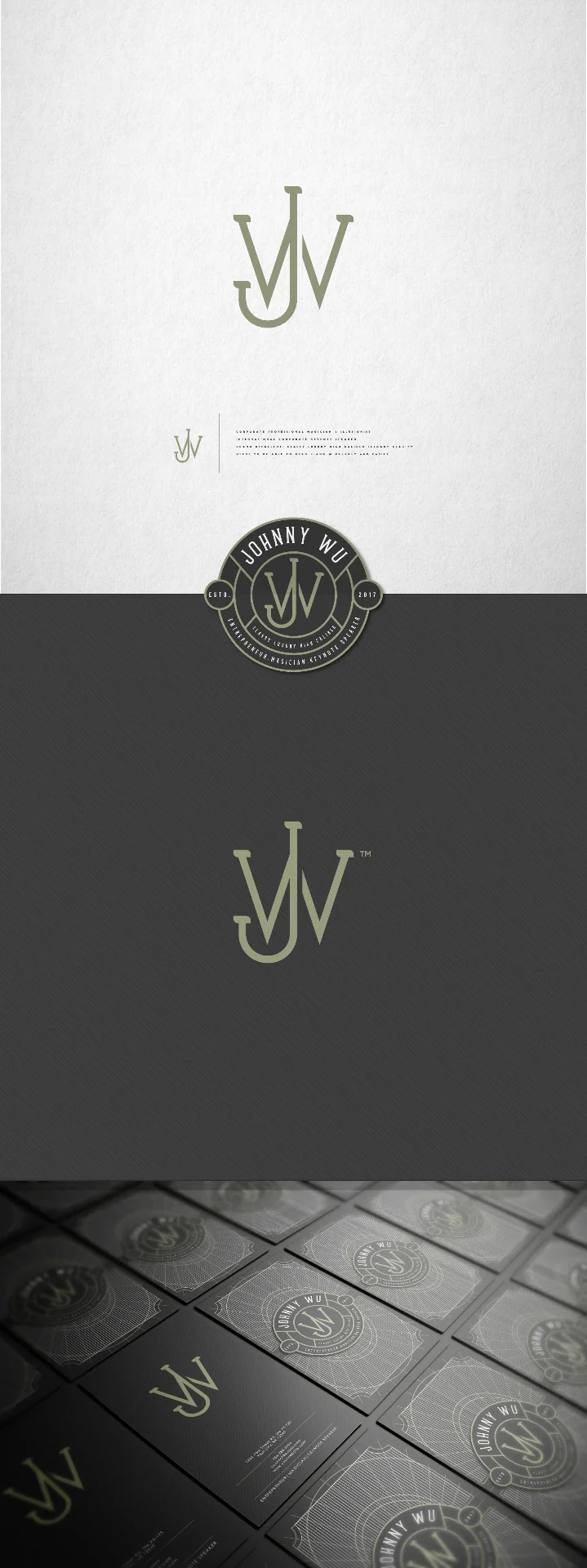
Branded merchandise is one of the most effective and cost-efficient marketing tools available. A well-designed t-shirt or tote bag turns your customers into walking brand ambassadors. But only if the design is good enough that people actually want to wear it.
The difference between merch that gets worn and merch that gets donated is design quality. Generic logo slaps on blank apparel signal laziness. Thoughtful merchandise design treats each item as a canvas — balancing brand identity with aesthetic appeal.
We design merchandise that people choose to wear, use, and keep. That means understanding print methods, material constraints, and the specific design considerations for each product type. A design that works on screen does not automatically work on fabric, ceramic, or embroidery.
Our process considers the full production pipeline. We specify print methods (screen print, DTG, sublimation, embroidery, heat transfer) based on the design complexity, order quantity, and budget. Every file is delivered in the exact format your printer needs.
The process covers events, employee programs, customer appreciation, retail, and promotional campaigns. Whether the order is 50 t-shirts for a team offsite or 5,000 units for a product launch, the approach is the same — strategic, brand-aligned, and production-optimized.
Color management across merchandise is uniquely challenging. Pantone matching for screen printing, CMYK conversion for sublimation, thread color selection for embroidery — each method has its own color reproduction characteristics. We handle all of this so your brand colors look consistent across every item.
Packaging is part of the picture too — branded tissue paper, custom boxes, sticker seals, and thank-you cards that turn the unboxing experience from functional to memorable.
Sustainability is increasingly important in merchandise. We advise on eco-friendly materials, organic cotton options, recycled polyester, and sustainable printing methods. Responsible merchandise design is not just ethical — it is increasingly expected by consumers.