Building an app is one of the most significant investments a business can make. The difference between an app that retains users and one that gets uninstalled within a week usually comes down to three things: performance, user experience, and how well the product was scoped before a single line of code was written.
App development is treated as a product design challenge, not a coding task. Every project starts with a thorough discovery phase — mapping user journeys, defining the feature set for the initial release, and identifying which platform strategy (native iOS, native Android, cross-platform via React Native or Flutter, or progressive web app) gives you the best return on investment.
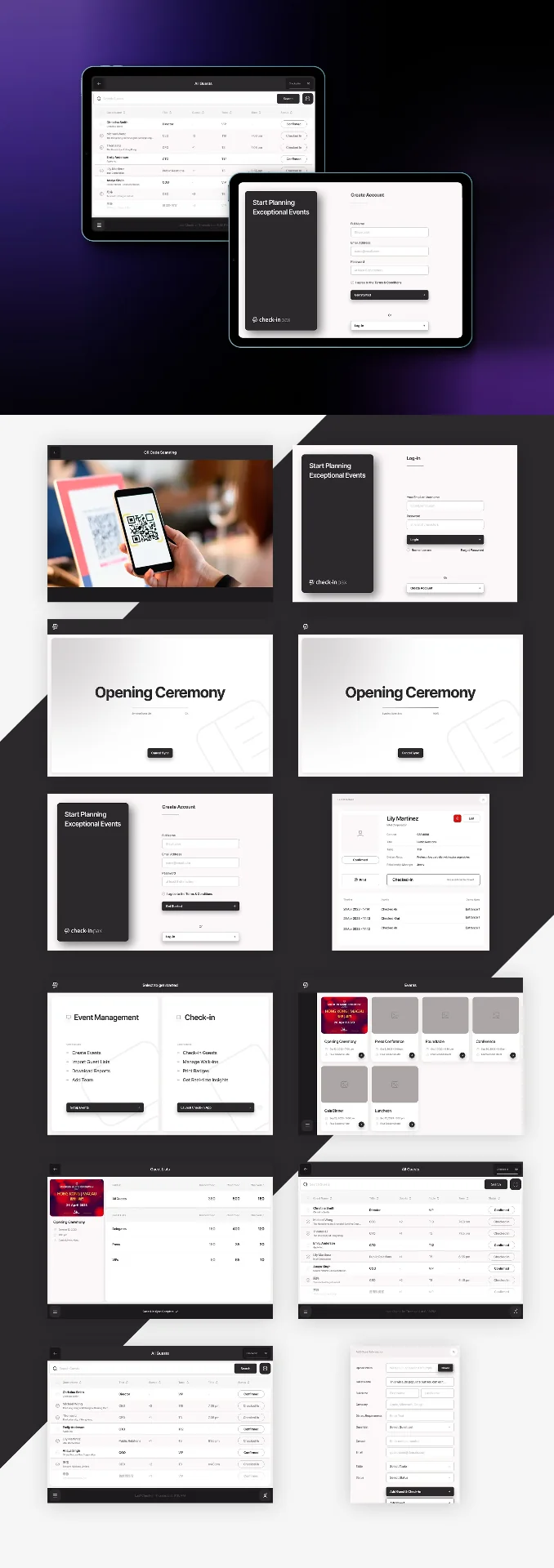
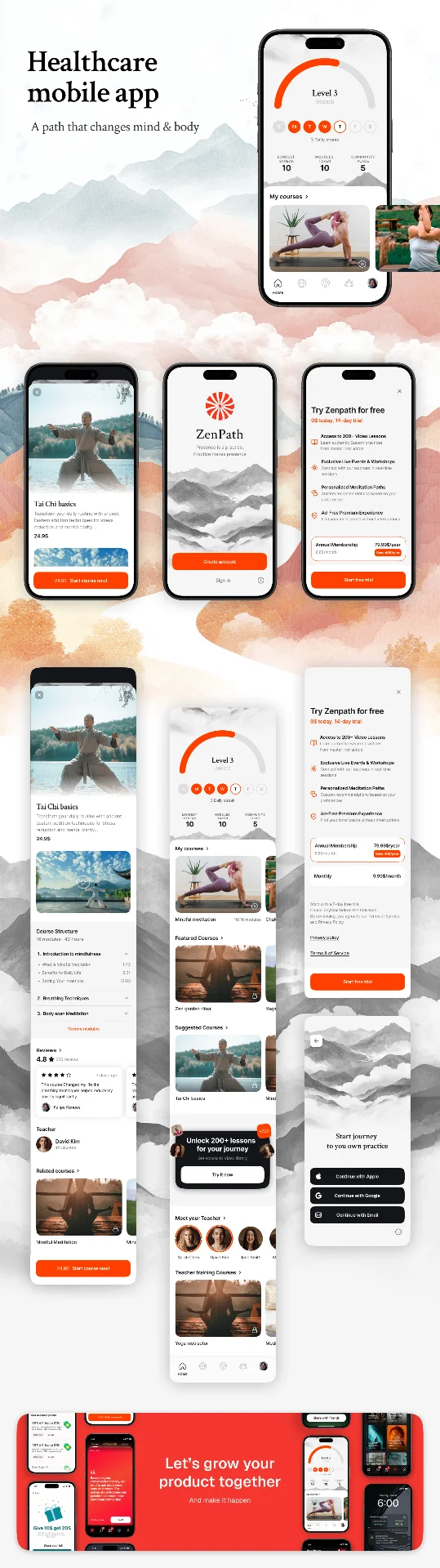
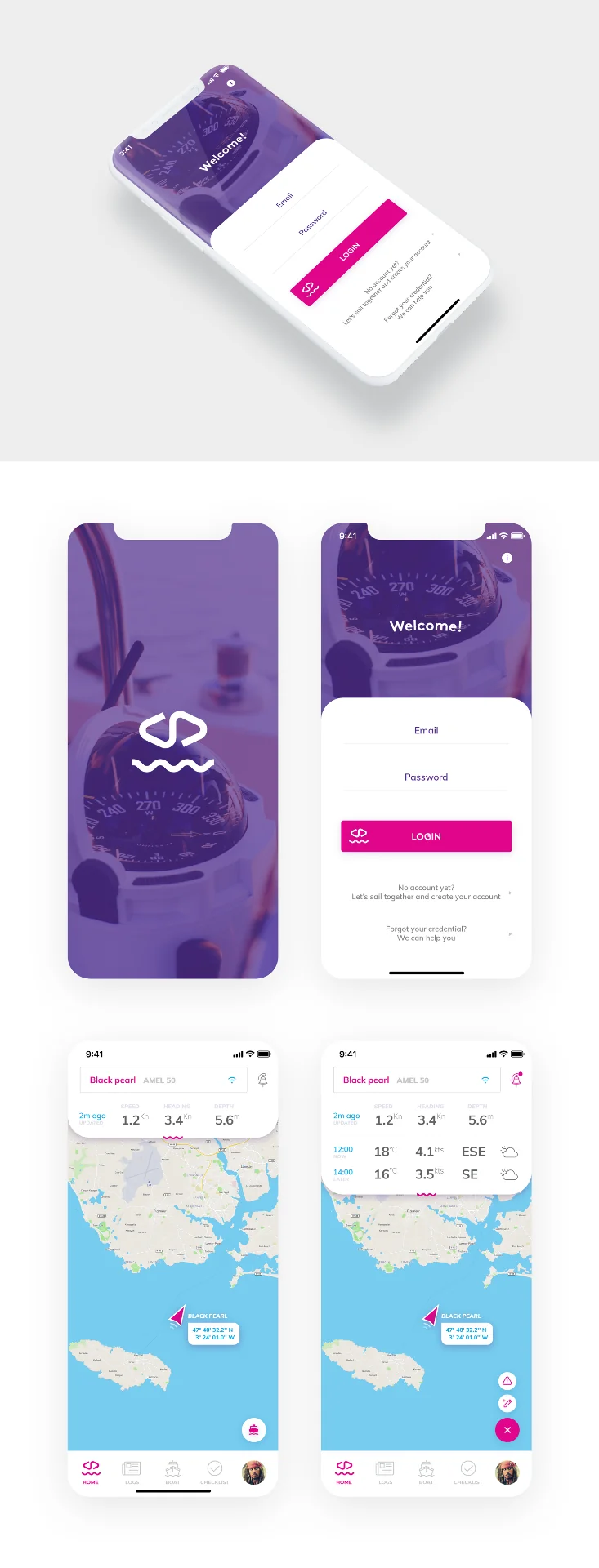
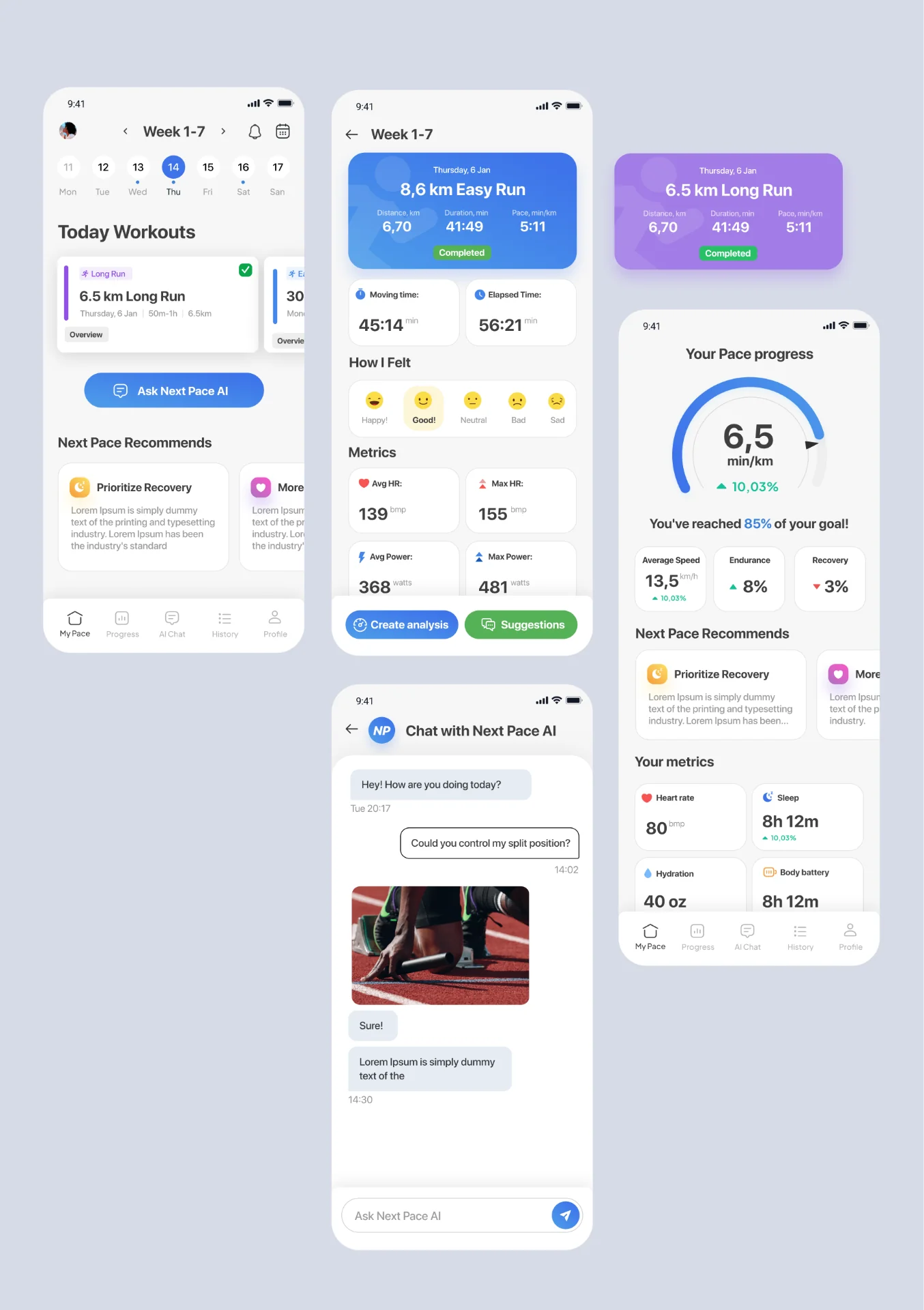
Our design and development teams work in parallel, which means UI decisions are informed by technical constraints from day one. This eliminates the common problem of beautiful mockups that are impossible or expensive to build. What gets designed is what gets shipped.
After launch, we provide post-release support including bug fixes, performance monitoring, and iterative feature development. You own 100% of the source code and intellectual property from the moment the project completes.
We strongly advocate for the MVP approach — launching a focused first version that validates your core hypothesis with real users before investing in the full feature set. This is not about cutting corners; it is about learning faster. The apps that succeed are the ones that iterate based on actual usage data rather than assumptions made in a planning meeting months before launch.
Performance budgets are part of every project we ship. We set hard targets for startup time, frame rate, memory usage, and network payload — and we test against them on real devices, not just emulators. Users notice when an app stutters during a scroll or takes four seconds to cold-start, and they draw an immediate conclusion about the quality of your business. Hitting performance targets is not polish — it is table stakes for retention.